
Mobile Massage for Elderly People: Safety, Benefits and What to Expect
Mobile massage for elderly people provides gentle, personalised care without requiring travel to a clinic. Massage helps ease muscle tension and discomfort, promotes muscle repair and relaxation. However, it should be adapted to the person’s health, mobility, medications and comfort, and medical advice may be required where certain health conditions are present or when recovering from surgery.
What Is Mobile Massage for Elderly People?
Mobile massage is delivered where the client lives or receives care, such as a private home, retirement village, aged-care facility, hospital or rehabilitation centre. The therapist brings the required equipment and adapts the treatment to the person’s mobility, health needs and preferences.
Bedside Beauty & Wellness makes it easy for those who find it difficult to travel because of reduced mobility, disability, illness, fatigue or recovery from surgery. Depending on the individual, treatment may be provided while they are positioned on a massage table, in bed, in a wheelchair or in a supportive chair.
Bedside Beauty & Wellness provides a mobile therapeutic massage service for clients at home, in hospital and in aged care. Its service can be adjusted for people who remain in bed, use a wheelchair or need additional positioning support.
Potential Benefits of Massage for Older Adults
Older adults may arrange massage to support relaxation, ease temporary muscle tightness, to complement other allied health treatments, or simply to enjoy a comfortable personal wellbeing experience. It may be particularly appealing to people who spend extended periods sitting or lying down, have circulatory issues, or who find it difficult to access traditional wellness services elsewhere.
Healthdirect Australia describes remedial massage as a complementary therapy that may help ease symptoms associated with muscle and soft-tissue concerns. It may also support relaxation and help some people manage pain or discomfort. However, it should be used alongside conventional medical care rather than as a replacement for treatment from a doctor.
Depending on the client and the type of massage provided, possible benefits may include:
- Temporary relief from muscle tension
- A greater sense of relaxation
- Improved comfort after prolonged sitting or inactivity
- Increased mobility
- Improved circulation
- Gentle support for general wellbeing
- Positive one-to-one interaction
- Easier access to personal care without travelling
The available evidence should be interpreted cautiously. A 2024 systematic review published in JAMA Network Open examined 129 systematic reviews of massage for painful adult health conditions. Most conclusions were based on low- or very low-certainty evidence, and stronger evidence showing that massage was more effective than other active treatments was uncommon.
Massage may therefore help some people with short-term comfort or symptom management, but results vary. It should not replace care from a GP, physiotherapist or another qualified healthcare professional.
Is Mobile Massage Safe for Elderly People?
Massage is generally considered safe when it is provided by an appropriately trained therapist and adapted to the individual. However, suitability depends on the client’s medical conditions, medications, injuries, skin condition, circulation, bone health and recent medical treatment.
Healthdirect advises that massage may not be appropriate for people with heart failure, kidney failure, blood clots, burns, bruises, infectious skin conditions, osteoporosis or nerve damage. Additional caution is also required for people who bleed or bruise easily, have a bleeding disorder, are receiving cancer treatment or are recovering from surgery. Anyone considering massage for symptoms related to a health condition should speak with their doctor first.
Medical advice may therefore be appropriate when an older client has:
- A history of blood clots or a bleeding disorder
- Osteoporosis or fragile bones
- Reduced sensation or nerve damage
- Heart failure or kidney failure
- Unexplained swelling or significant pain
- Open wounds, burns, bruising or an infectious skin condition
- Active cancer treatment
- Recent surgery, injury or hospital treatment
- A tendency to bleed or bruise easily
The therapist should also be informed about medications, including medicines that may affect bruising or bleeding.
Massage should be postponed when the client is acutely unwell, has an active infection, has a suspected fracture or has experienced a significant unexplained change in their condition. In a hospital, rehabilitation centre or residential aged-care setting, approval from nursing or medical staff may also be required.
What Happens Before a Mobile Massage Appointment?
Before beginning, the therapist should discuss the client’s health history, current medications, symptoms and expectations for the appointment. Informed consent and what will happen during the treatment should also be explained.
The consultation may cover:
- The reason for arranging the appointment
- Existing medical conditions
- Current medications
- Recent surgery or injuries
- Painful, swollen or sensitive areas
- Allergies and skin sensitivities
- Mobility or transfer requirements
- Preferred treatment areas and pressure
This information helps the therapist determine whether massage can proceed, whether the treatment needs to be modified or whether medical clearance should be obtained.
The therapist should then establish the safest and most comfortable position. A mobile appointment should be adapted to the client rather than requiring the client to transfer onto unsuitable equipment. Bedside Beauty & Wellness asks clients to provide details of health and mobility concerns when booking so suitable positioning and support can be arranged.
What Happens During the Massage?
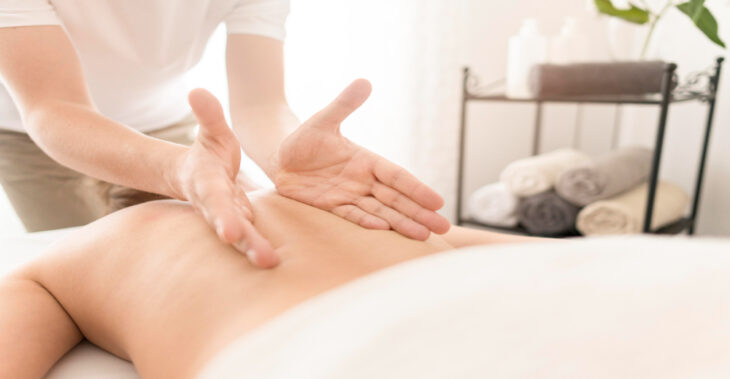
During the treatment, the therapist may use gentle stroking, rubbing, kneading or controlled pressure on agreed areas of the body. The techniques and pressure are adjusted according to the client’s health, comfort and treatment goals.
Privacy is maintained with appropriate clothing, towels or draping. A family member, carer or support worker may remain nearby when appropriate and with the client’s consent.
The client should feel safe and comfortable throughout the appointment. Healthdirect recommends telling the therapist immediately if any part of the massage feels uncomfortable so the technique can be changed.
The therapist should reduce the pressure, reposition the client or stop the treatment if the client experiences:
- Sudden or increasing pain
- Dizziness or nausea
- Numbness or tingling
- Shortness of breath
- Distress or discomfort
Massage does not need to be painful to provide a beneficial experience, particularly for an older person with complex health or mobility needs.
What Happens After the Appointment?
Some people feel relaxed or tired after a massage. Temporary soreness can occur, but significant pain, bruising or worsening symptoms should not be ignored.
Healthdirect notes that massage may cause minor soreness. Persistent pain that does not settle should be discussed with a doctor.
Clients with balance or mobility difficulties should take their time before standing. Assistance from a family member, carer or support worker may be appropriate when moving from a bed, chair or massage table.
The therapist should also ask how the client felt during the treatment. This feedback can help guide future appointments, including the most comfortable position, suitable pressure and appropriate session length.
Mobile Therapeutic Massage in Adelaide
For older adults in Adelaide, a mobile appointment can remove barriers such as organising transport, walking through busy locations, navigating stairs or transferring onto unfamiliar furniture.
Bedside Beauty & Wellness provides mobile massage and personal care services in private homes, aged-care facilities, supported accommodation, hospitals and other healthcare settings. Clients can also learn more about the company’s aged and home care services, disability care services and at-home beauty and wellness services.
When comparing therapeutic massage Adelaide providers—or searching online for a massage therapy mobile provider—look beyond convenience. Consider whether the therapist:
- Has suitable training and relevant experience
- Screens for health conditions and medications
- Has a good reputation and meets compliance requirements
- Adapts the treatment to the client’s mobility
- Explains the treatment and obtains consent
- Respects privacy and personal preferences
- Understands when massage should be modified or postponed
- Recommends medical advice when appropriate
Healthdirect recommends choosing a properly trained, insured and professionally registered therapist.
Arrange Mobile Massage for an Elderly Loved One
Mobile massage can provide an accessible and comfortable wellbeing experience for an older adult who finds it difficult to attend a clinic. Every appointment should be tailored to the person’s health, mobility, consent, privacy and comfort.
To arrange mobile massage for elderly family members, aged-care residents, Home Care Package recipients, NDIS participants or someone you support, contact Bedside Beauty & Wellness to discuss their location, mobility needs and relevant health considerations before booking.


0 Comment