
Foot Care For Seniors: Common Issues And When To Seek Help
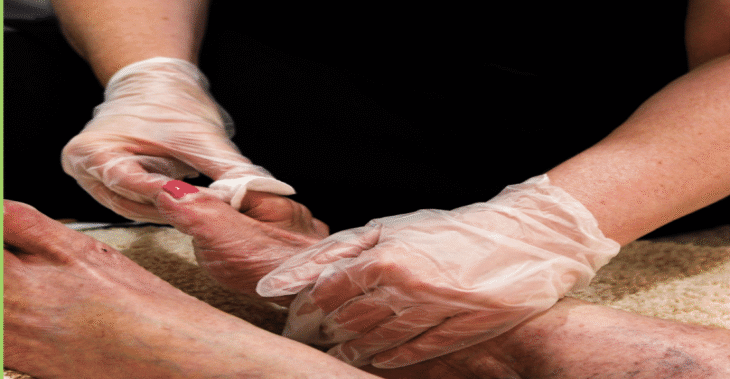
Foot care for seniors is important because as people age, their feet are more susceptible to dry skin, thick toenails, swelling, poor circulation, fungal infections, corns, calluses, and slow-healing wounds. Regular checks of the feet, proper hygiene, wearing supportive footwear, and getting professional care early can help older adults stay comfortable, mobile, and independent as well as reduce the risk of more serious foot problems.
As we get older, even the smallest changes in our feet can affect our day to day living and overall comfort. Sore feet can make it more difficult to walk, stand, exercise, go to appointments, and do simple routines at home. If you’re a senior, family member, or carer, understanding common foot problems can help you recognise warning signs early and get the right support before discomfort becomes a bigger problem.

Why Foot Care Matters For Seniors
Senior foot care is vital. Healthy feet are important for movement, hygiene, independence, balance, and well-being. Ageing can make the skin thinner, drier and more fragile, and toenails can become harder, thicker and more difficult to trim. Seniors may also have less flexibility, poor eyesight, arthritis, or limited mobility, which makes it more difficult to properly check and care for their nails and feet.
Other health problems such as diabetes, circulatory issues, nerve changes, and swelling in the legs and feet become increasingly common as we age.. Such conditions may result in the formation of wounds, their infection and delayed healing. This is why senior foot health greatly benefits from regular professional foot care, gentle grooming, and early attention to changes.
Common Foot Problems In Elderly People
Dry Skin And Cracked Heels
Seniors often experience dry feet and cracked heels. The skin around the heel area may become rough, flaky, tight or split. Mild dryness can often be managed by regular moisturising and gentle foot hygiene, but deep cracks can become painful and increase the risk of irritation or infection.
Thick Toenails
As you age, nails can become naturally thicker, harder or more brittle. Thick toenails can rub on shoes, scratch in bed, can be painful and can be difficult to cut safely.. Seniors should be careful not to cut nails too short or at odd angles, as this can lead to soreness, ingrown toenails or infection.
Calluses and Hard Corns
Corns and calluses are usually caused by repeated pressure or friction. Often on the soles, toes, or areas where shoes rub. They can become painful and affect walking, even if they seem minor. Seniors should not use sharp tools or strong corn removal products at home, especially if they have diabetes or poor circulation.
Swelling of the Feet and Ankles
Long periods of sitting or standing can lead to swollen feet and ankles, but persistent swelling should not be ignored. The swelling could be related to circulation, medication, injury or another health concern. See a doctor if you have any sudden, painful swelling that affects only one side of your body or swelling that is red or hot.
Fungal Infections
Fungal foot infections can be on the skin or toenails. Athlete’s foot can cause itching, peeling, cracking or redness between the toes, and fungal toenails may be yellow, thick, crumbly or discoloured. Keeping feet clean, including between the toes and under nails, and keeping them dry (without over dryness which can cause cracks) helps reduce the risk of developing serious issues. Persistent symptoms may require professional treatment.
Daily Foot Care Tips For Seniors
A simple daily routine can help you enjoy better foot health. Feet should be washed in warm water, cleaned and dried thoroughly between the toes. Moisturising dry areas and looking for cuts, blisters, swelling, redness, nail changes or sore spots is very important for good foot health. Wearing the right shoes helps reduce friction and pressure and keeping socks clean also helps avoid bacteria.
Supportive shoes are particularly important. Your shoes should feel stable, have space for your toes and not rub your skin. Avoid walking barefoot if you have reduced sensation in your feet, fragile skin, or are at risk of injury.
Regular assistance can be key for older adults who have difficulty reaching their feet, seeing well or safely trimming their toenails. A family member, carer, podiatrist or a trusted wellness provider can help with hygiene, comfort and confidence.
When To Seek Help For Senior Foot Concerns?
If seniors experience prolonged pain, swelling, redness, warmth, bleeding, discharge, numbness, tingling, open cracks, wounds or change in skin colour, they should seek help. Especially for seniors with diabetes or circulation problems, any sore, blister or cut that does not heal properly should be checked.
Professional help is also advised if toenails become too thick to safely trim, corns and calluses keep coming back, shoes become uncomfortable, or foot pain starts interfering with walking and balance. “Early intervention can stop small problems from becoming big problems.”
How Bedside Beauty & Wellness Can Help Senior Wellbeing?
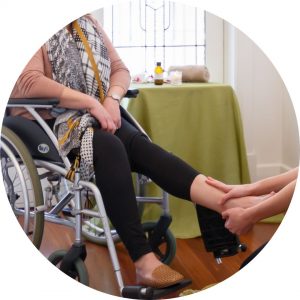
At Bedside Beauty & Wellness, we understand that personal care can become more difficult with age, illness, disability, hospital stays, or reduced mobility. Gentle grooming and wellness support can help seniors feel cleaner, more comfortable, and more confident in their daily lives.
Our professional foot care treatment which includes gentle exfoliation of dead skin cells, sanitising and cleaning between the toes and under toe nails, proper filing of nails to avoid jagged or sharp edges, moisturising and massage for circulation all form part of the Bedside Beauty & Wellness Intensive Foot Care Treatment. These treatments complement allied health care and are an excellent way to stay on top of good foot health between podiatry visits.
Our approach is caring, respectful, and focused on good health, dignity and overall wellness. Whether support is needed at home, by your bedside in hospital or in a care setting, Bedside Beauty & Wellness helps make self-care easier and more accessible for seniors and their families.


0 Comment