
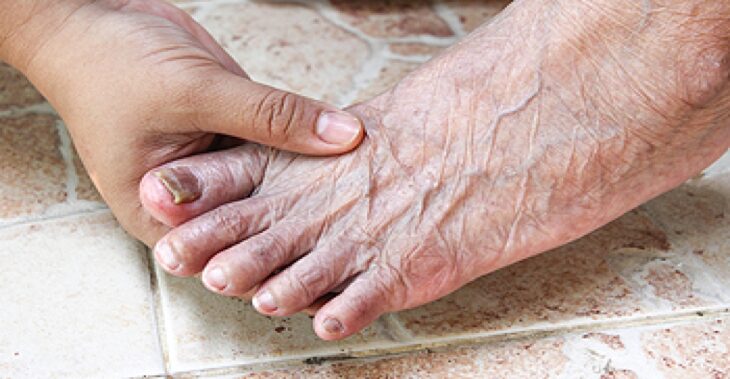
Why Professional Nail Care Is Important for Healthy Hands and Feet?
Professional nail care helps keep fingernails and toenails hygienically clean, safely and neatly trimmed and comfortable when self-care becomes difficult. For older adults, people living with disability and anyone affected by arthritis, reduced vision or limited mobility, regular assistance helps prevent nails from becoming excessively long, rough, jagged or difficult to manage. Mobile Nail Care Adelaide services make this routine support more accessible at home or in care.
Nail Care Is More Than a Cosmetic Service
Nail care is an important part of personal hygiene and everyday comfort. Long or jagged fingernails can catch on clothing or scratch delicate skin, while thick or overgrown toenails can press against socks and footwear causing pain and discomfort.
Bending down, reaching the feet or controlling nail clippers can also become harder as we age. This may be due to arthritis, tremors, poor eyesight, poor balance and decline motility, disability or recovery after surgery. Professional assistance the consistent maintenance of one’s personal grooming routine without relying on a family member or carer to perform a task they may not have the time for or feel confident doing.
What Does Professional Nail Care Include?
Professional nail care focuses on routine grooming rather than diagnosing or treating a medical condition. Depending on the selected service and the condition of the nails, an appointment may include:
- Gentle cleaning around and beneath the accessible nail edge
- Cleaning between digits
- Gentle skin exfoliation
- Careful nail cutting, shaping and filing
- Smoothing rough or sharp edges
- Cuticle care
- Moisturising dry hands and feet
- Optional buffing or polish
- Noting changes that may require medical or podiatry advice
Bedside Beauty & Wellness provides mobile nail care in Adelaide for those at home, aged care residents, people living with disability and clients with reduced mobility. Treatments range from a clean, cut and file to more intensive hand or foot care treatments including soaking, exfoliation, deep moisturising and massage.
Why Nail Trimming Can Become More Difficult With Age
Toenails may become thicker, harder or more brittle over time. Arthritis can make small grooming tools difficult to grip, while reduced flexibility may make the feet difficult or impossible to reach safely.
Trying to continue without assistance may result in nails being cut too short, the corners being trimmed incorrectly or the surrounding skin being accidentally nicked.
Healthdirect advises cutting toenails straight across, avoiding rounded corners and not cutting them too short to help reduce the likelihood of an ingrown toenail.
When someone can no longer comfortably see, reach or manage their nails, arranging regular assistance can support their independence rather than take it away.
Where Routine Nail Care Ends and Podiatry Begins
A mobile nail technician can assist with routine nail cleaning, trimming, filing and grooming. A podiatrist is an allied health professional who assesses, diagnoses and treats conditions affecting the feet and lower limbs.
Routine professional nail care may be suitable when the nails simply need to be shortened, shaped and maintained and in between podiatry visits. The additional soaking, moisturising and massaging of feet and limbs from a Bedside Beauty & Wellness therapist goes beyond a podiatry visit and provides additional benefits including a boost to circulation and maintaining skin integrity.
It is not however, a substitute for:
- Diagnosing or treating a fungal nail infections
- Treating an ingrown toenail
- Managing a foot ulcer or open wound
- Removing painful corns or calluses
- Investigating ongoing foot or nail pain
- Treating changes caused by an underlying health condition
Healthdirect recommends consulting a podiatrist for concerns such as foot pain, discoloured nails or skin, rashes, ulcers and injuries. Podiatrists can also help manage foot problems associated with diabetes and arthritis.
Families who are uncertain about the appropriate service should explain the condition of the nails when booking. Bedside Beauty & Wellness can provide routine personal care, but medical concerns should first be discussed with a GP or podiatrist.
Safe Nail Care at Home
People who can safely manage their own nails should wash their hands and feet gently and dry them thoroughly, particularly between the toes. Toenails should be trimmed straight across, with any sharp edges carefully filed.
Other sensible home-care steps include:
- Using clean personal nail tools
- Avoiding shared nail scissors or clippers
- Moisturising dry skin without leaving cream between the toes
- Checking the nails and surrounding skin for changes
- Wearing comfortable shoes that do not place pressure on the toes
Do not use blades, razors or other sharp implements to remove hard skin. Avoid cutting deeply down the sides of a toenail, attempting to remove an ingrown nail or treating a suspected infection as part of ordinary grooming.
When eyesight, reach, sensation, balance or hand control is reduced, home nail care may no longer be the safest option.
Warning Signs That Need Health Advice
Routine nail care should be paused, and advice sought from a GP or podiatrist if there is:
- Pain, tenderness, redness, heat or swelling
- Bleeding, pus, discharge or broken skin
- A blister, wound or crack that is not healing
- An ingrown or deeply curved toenail
- A thickened, crumbly or unusually discoloured nail
- Numbness, tingling or reduced sensation
- A sudden change in the colour of the foot or toes
- Persistent difficulty wearing shoes or walking comfortably
Healthdirect notes that thickened, crumbly or discoloured toenails may be signs of a fungal nail infection. Pain, redness and pus besides the nail can indicate an infection of the surrounding skin. These concerns require appropriate assessment rather than cosmetic treatment.
Families and carers can find further practical guidance in Foot Care for Seniors: Common Issues and When to Seek Help.
Extra Care for People Living With Diabetes
People living with diabetes should take changes in their feet seriously because reduced circulation or sensation may make injuries more difficult to notice.
Diabetes Australia recommends checking the feet regularly, cutting toenails straight across, filing sharp edges and asking for assistance when the feet are difficult to see or reach. It also advises seeking medical advice early when changes or problems are noticed.
Anyone with diabetes, neuropathy, poor circulation, a previous foot ulcer or an active wound should follow the advice of their GP, podiatrist or diabetes care team before arranging non-medical foot care.
Read more about why hand and foot care matters for seniors and people with diabetes.
Why Mobile Nail Care Helps Adelaide Families
For someone with limited mobility, the difficulty is often not finding a salon—it is getting there. Transport arrangements and costs, fatigue, wheelchair access, hospital stays and unsuitable salon seating can make an ordinary appointment impractical.
Bedside Beauty & Wellness brings qualified mobile nail technicians to homes, hospitals, rehabilitation centres and aged care facilities across metropolitan Adelaide. Appointments can be arranged by the client, a family member, support coordinator or care provider and completed in familiar surroundings.
This can make regular grooming easier to maintain while reducing pressure on relatives who may be uncomfortable cutting thick, brittle or difficult-to-reach nails.
Choosing Nail Care Adelaide for Yourself or a Loved One
Choose a provider that understands aged care, disability support and reduced mobility—not only traditional salon treatments. Before booking, consider asking:
- What does the nail care appointment include?
- How are reusable tools cleaned between clients?
- Can the treatment be adapted to limited mobility?
- Can the appointment take place in a hospital or aged care facility?
- What happens if the technician notices a concern outside routine nail care?
- Are optional polish and more intensive hand or foot treatments available?
Bedside Beauty & Wellness has delivered mobile beauty and wellness services since 2011. Its qualified team works with older adults, the elderly, people with disabilities and clients receiving care in homes, hospitals, rehabilitation centres and aged care settings.
Ready to arrange nail care for yourself, an ageing parent or someone you support? Book a mobile hand and foot care appointment with Bedside Beauty & Wellness in Adelaide.
Frequently Asked Questions
How often should an older person receive professional nail care?
Bedside Beauty & Wellness generally recommends appointments every three to six weeks. However, the most appropriate timing depends on nail growth, comfort, mobility and the person’s individual support needs.
Can a mobile nail technician treat fungal or ingrown toenails?
A mobile nail technician can provide routine cleaning, trimming, filing and grooming but does not diagnose or medically treat infections or ingrown toenails. Painful, infected, discoloured or deeply curved nails should be assessed by a GP or podiatrist.
Is mobile nail care available for NDIS participants?
Mobile nail care may be suitable for an NDIS participant where it is consistent with their approved supports and funding arrangements. The participant, support coordinator or plan manager should confirm eligibility before booking.
Can mobile nail care be arranged through a Home Care Package?
Depending on the person’s care plan and provider arrangements, mobile personal care services may be considered. Home Care Package recipients or their family members should confirm approval with their provider.
Can nail care be provided in an aged care facility or hospital?
Yes. Bedside Beauty & Wellness provides mobile hand and foot care in private homes, hospitals, rehabilitation centres and aged care facilities across metropolitan Adelaide.


0 Comment